EN
EN  es
es  ru
ru 

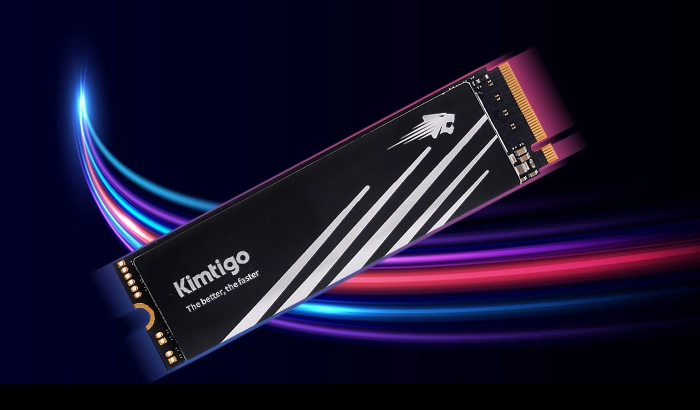
With the development of the Internet and big data fields, and due to the practical needs for in-depth development of mobile payment, Internet sales, intelligent security monitoring, big data analysis and credit granting, and remote account opening, the financial industry faces the problems of huge amount of data, a variety of data types, low processing efficiency, and high storage and processing costs. Kimtigo adopts a PCIe3.0x4 single-panel design, which is faster, lighter, thinner and smaller to provide a stable financial storage solution.
Memory storage devices for financial applications are designed to meet the stringent security, compliance, and performance requirements of the financial industry. These devices handle critical financial data, transactions, customer information, and other sensitive data that require secure and reliable storage.
One commonly used memory storage device in the financial sector is the solid-state drive (SSD). SSDs provide fast access times, high data transfer rates, and low latency, ensuring quick retrieval and processing of financial data. They offer advanced encryption features to protect sensitive data and comply with data privacy regulations. Additionally, enterprise-grade SSDs often incorporate features like power-loss protection, advanced error correction, and wear-leveling algorithms to ensure data integrity and durability.
Another storage option for financial institutions is the hard disk drive (HDD). HDDs provide high storage capacities at a lower cost compared to SSDs. They are often used for storing large amounts of historical transaction data or archival purposes. However, the focus is shifting towards SSDs due to their superior performance and reliability.
In financial environments where data needs to be stored securely and efficiently, network-attached storage (NAS) systems are often employed. NAS devices offer centralized storage that can be accessed and managed by multiple users or applications. They provide features like data encryption, user access controls, and data redundancy to ensure data security and availability.
Some financial institutions also utilize cloud-based storage solutions for backup, disaster recovery, and remote access to data. Cloud storage providers offer robust security measures, data redundancy, and scalability, allowing financial institutions to store and access data securely from anywhere.
Overall, memory storage devices for financial applications prioritize data security, high performance, and compliance with industry regulations. SSDs, HDDs, NAS systems, and cloud storage all play important roles in ensuring the secure storage and efficient management of financial data in various financial institutions, including banks, insurance companies, and investment firms.
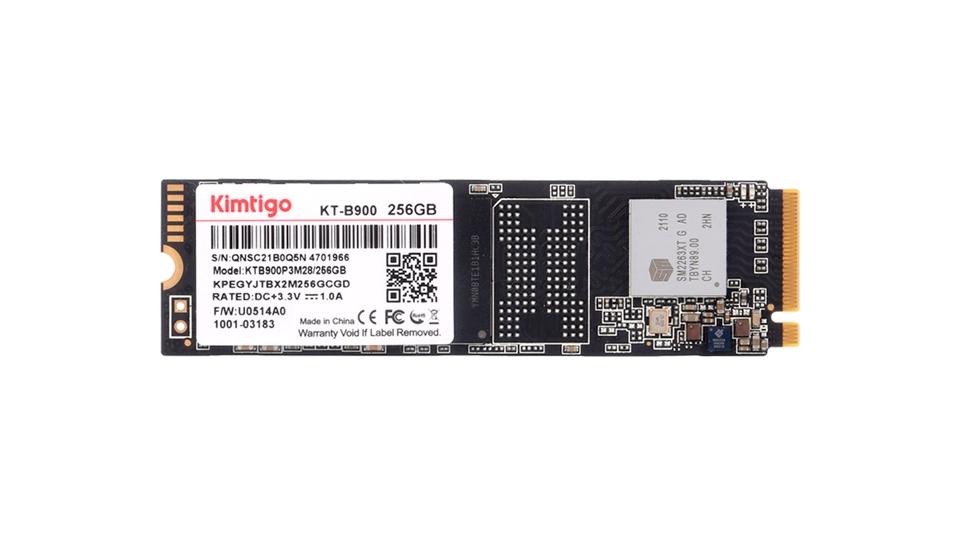 Kimtigo KT-B900 Industrial 128GB/256GB/512GB/1TB NVMe PCIe Gen3x4 SSD
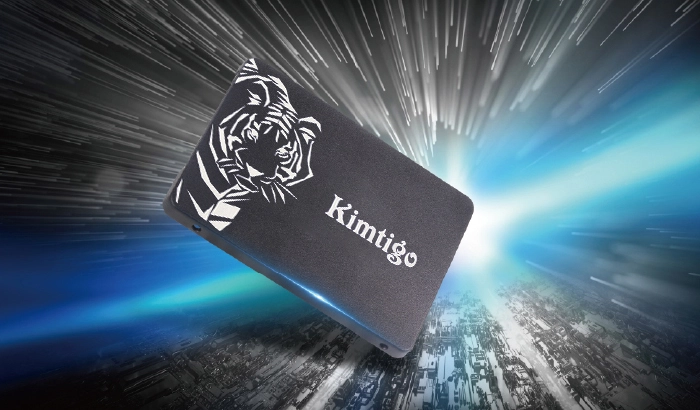
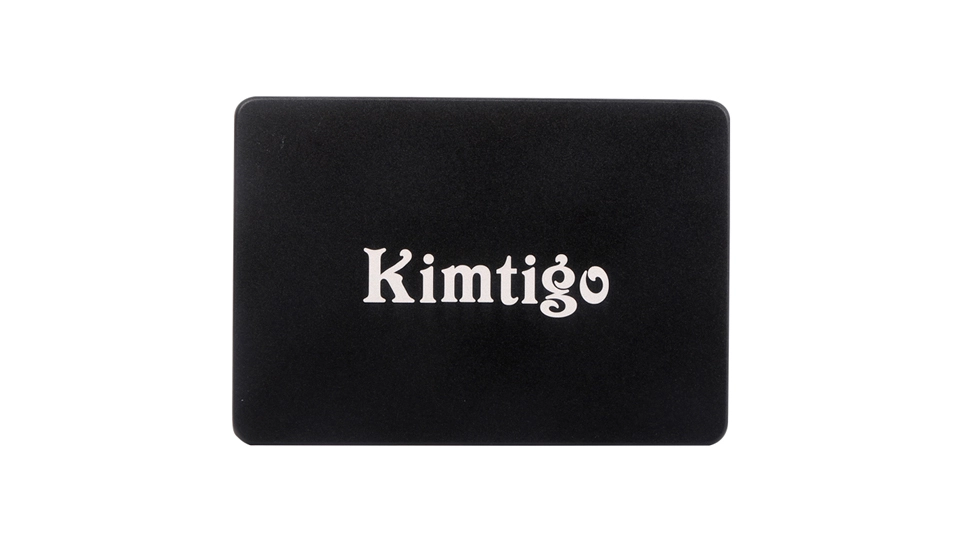 Kimtigo KT-B900 Industrial 32GB/64GB/128GB/256GB/512GB/1TB 2.5 INCH SSD
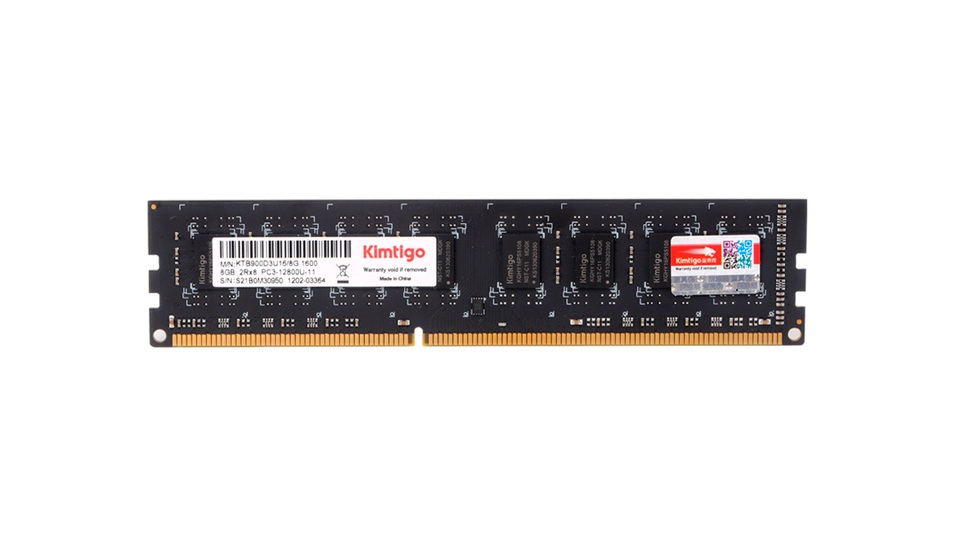 Kimtigo KT-B900 Industrial 2GB/4GB/8GB UDIMM DDR3 1600MHz
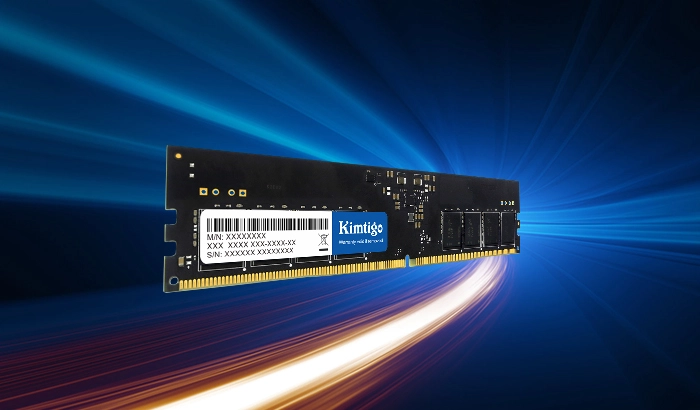
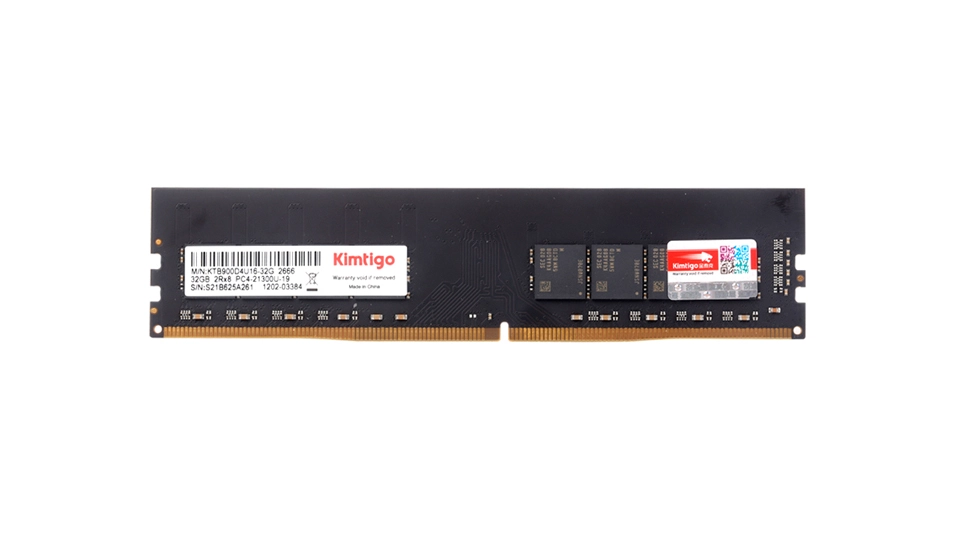 Kimtigo KT-B900 Industrial 4GB/8GB/16GB/32GB UDIMM DDR4 2400MHz
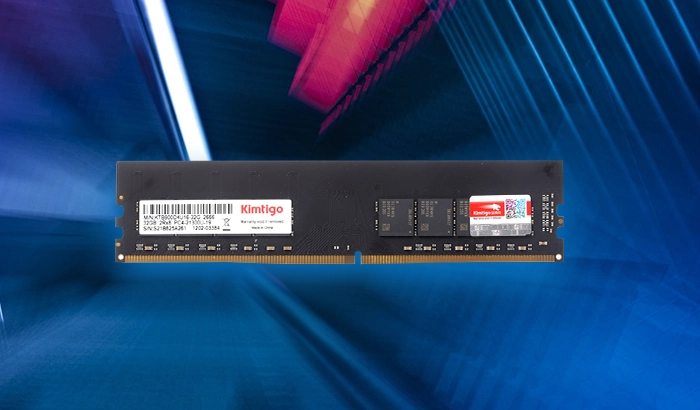
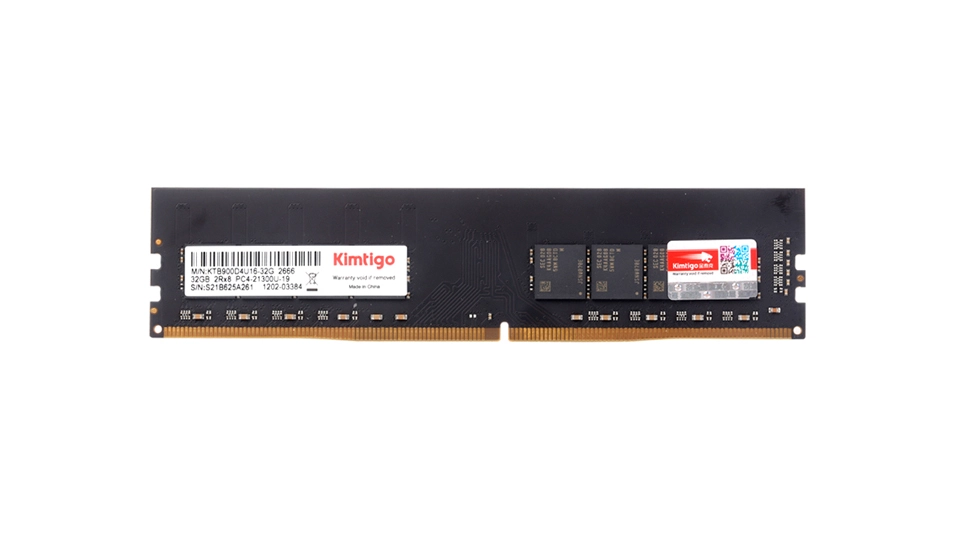 Kimtigo KT-B900 Industrial 4GB/8GB/16GB/32GB UDIMM DDR4 2666MHz
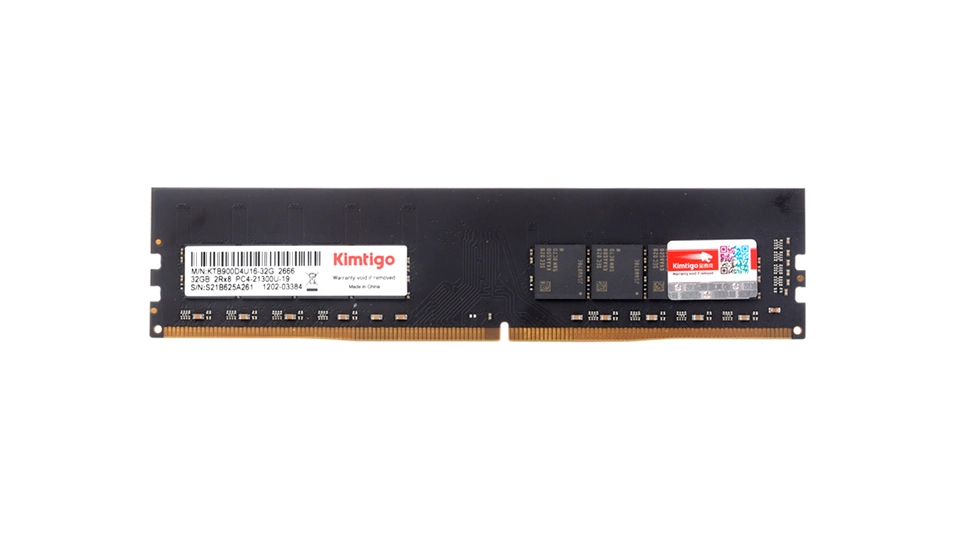 Kimtigo KT-B900 Industrial 4GB/8GB/16GB/32GB UDIMM DDR4 3200MHz
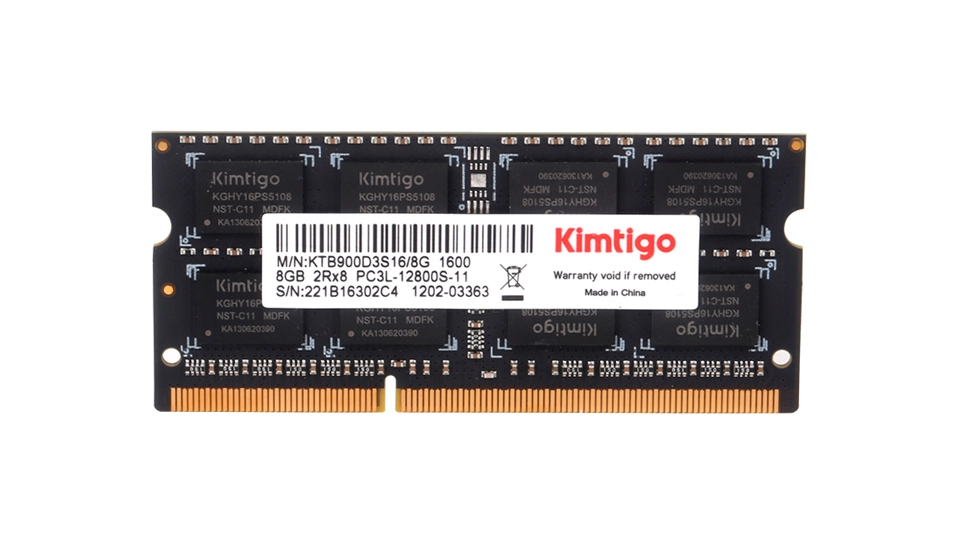 Kimtigo KT-B900 Industrial 2GB/4GB/8GB SODIMM DDR3 1600MHz
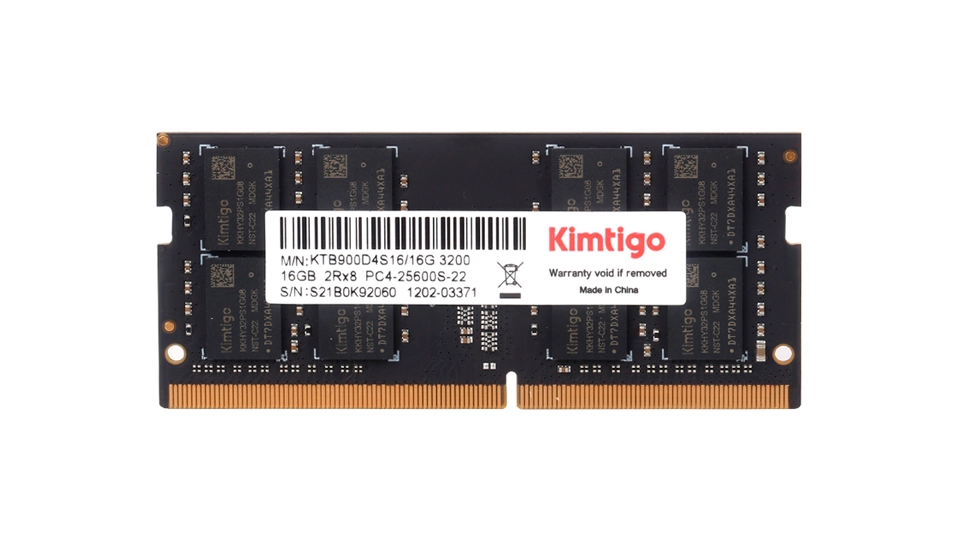 Kimtigo KT-B900 Industrial 4GB/8GB/16GB/32GB SODIMM DDR4 2400MHz
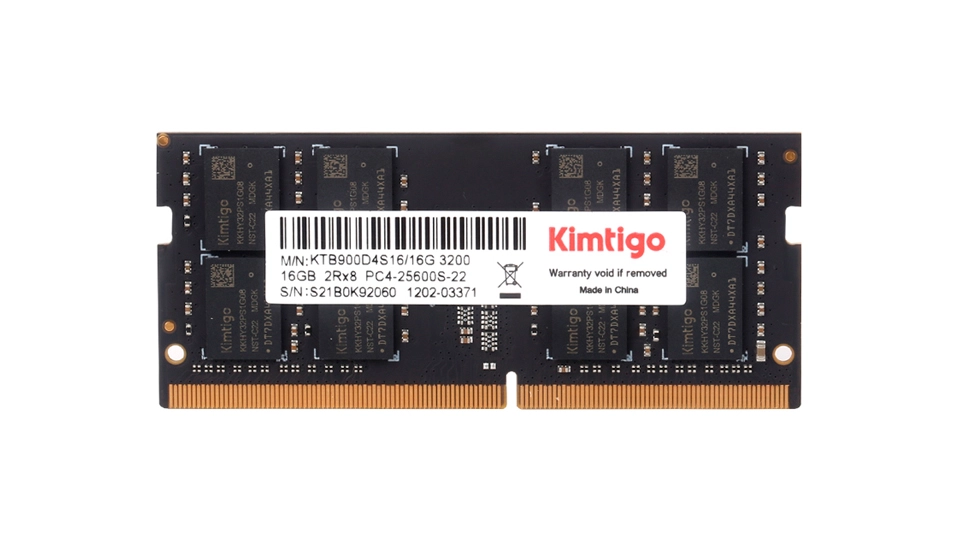 Kimtigo KT-B900 Industrial 4GB/8GB/16GB/32GB SODIMM DDR4 2666MHz
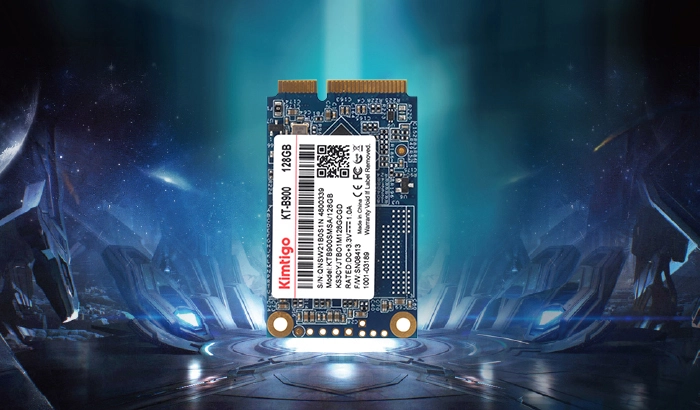
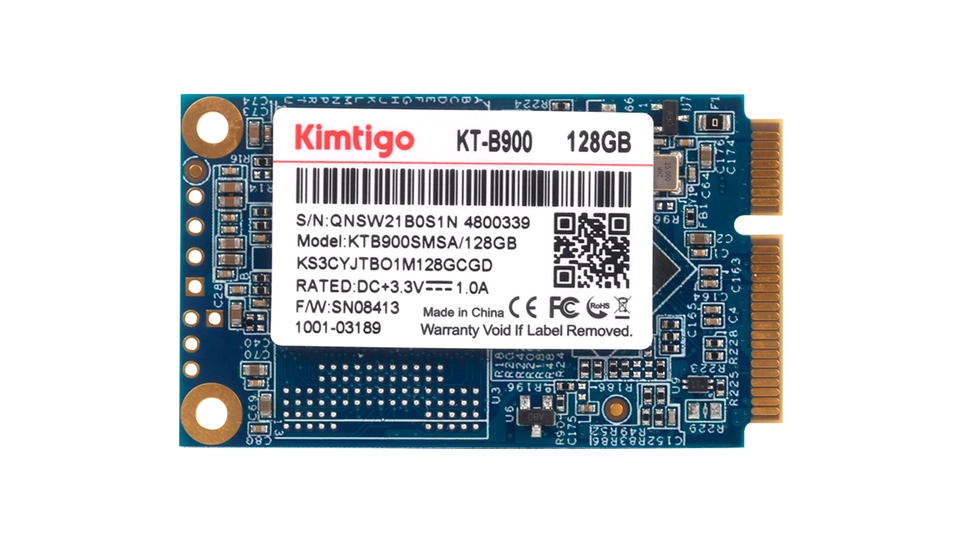 Kimtigo KT-B900 Industrial 64GB/128GB/256GB/512GB/1TB MSATA SSD
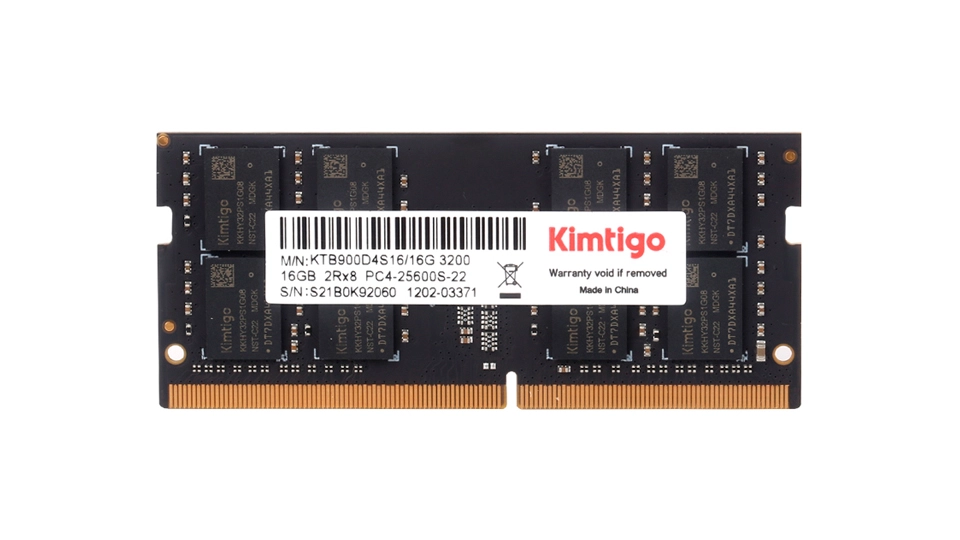 Kimtigo KT-B900 Industrial 4GB/8GB/16GB/32GB SODIMM DDR4 3200MHz
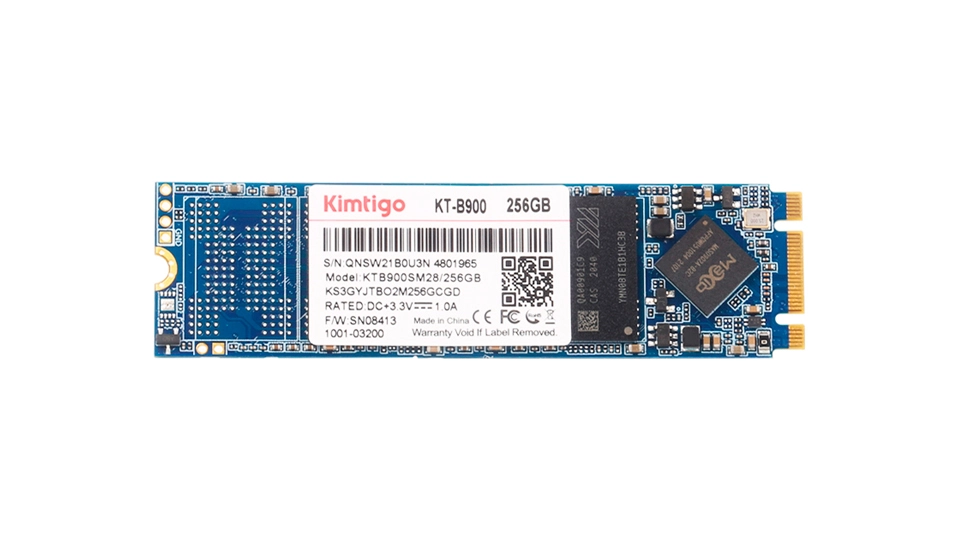 Kimtigo KT-B900 Industrial M.2 2280 SATA SSD 64GB/128GB/256GB/512GB/1TB
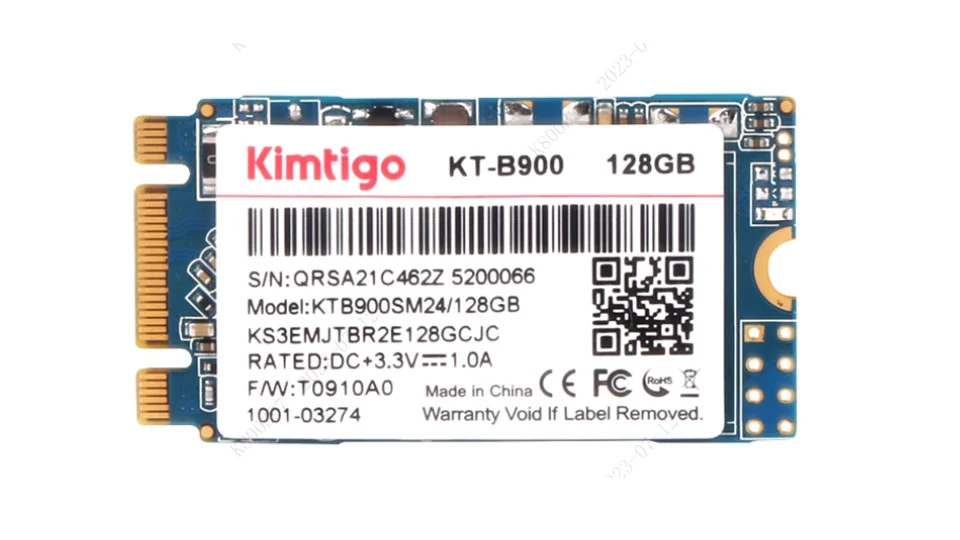 Kimtigo KT-B900 Industrial 64GB/128GB/256GB/512GB/1TB M.2 SATA 2242 SSD
 Robust Storage Solutions: Industrial SATA SSDs UnveiledSeptember 15, 2023In today's data-driven world, businesses and industries demand storage solutions that can withstand harsh environments, deliver consistent performance, and ensure data reliability. Industrial SATA...view
 Revolutionizing Automotive Storage: The Rise of Automotive SSDsOctober 16, 2023In the rapidly evolving automotive industry, every aspect of a vehicle's technology is being pushed to new heights. One area that has seen remarkable progress in recent years is automotive storage...view
 Kimtigo Appears at Macworld 2014 Digital World ExpoMarch 22, 2023Macworld︱iWorld Asia 2014 Digital World Expo was held in Beijing National Convention Center from 21st to 24th. Macworld︱iWorld Asia is an exhibition aimed at focusing on the frontier and encouraging new force...viewSpeed and Reliability on Wheels: Automotive SSD SolutionsOctober 16, 2023In the ever-evolving landscape of automotive technology, speed and reliability are not just desirable qualities but essential ones. As vehicles become more advanced, the need for storage solutions tha...view
 Boost Your PC's Performance With NVMe PCIe Gen3x4 SSDsMarch 29, 2024In the ever-evolving world of technology, the need for speed and performance is a constant. Whether you're a gamer looking to reduce load times or a professional seeking faster data transfer speed...viewNVMe Gen3x4 SSDs: Redefining Storage Performance StandardsOctober 16, 2023In the world of data storage, speed is everything. As our digital lives become more data-driven, the need for faster and more efficient storage solutions has never been greater. NVMe Gen3x4 SSDs are e...view