EN
EN  es
es  ru
ru 

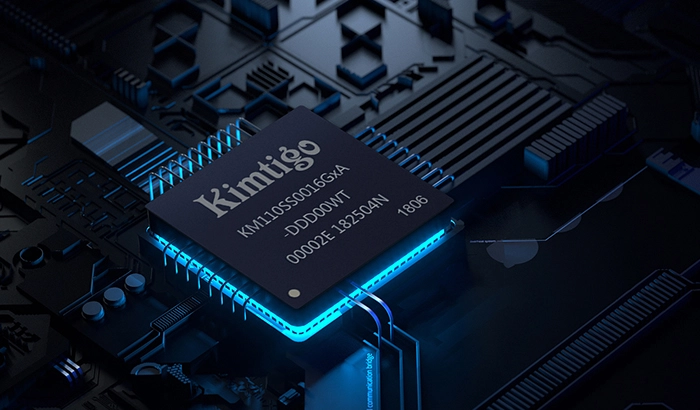
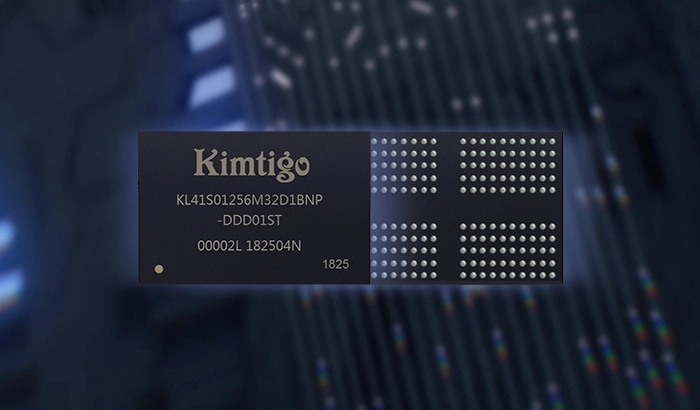
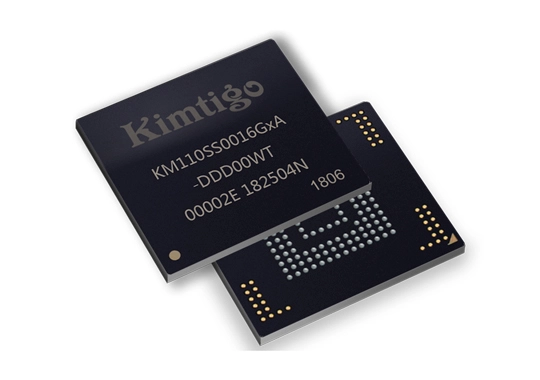
With the application of POS, consumption based on credit cards, debit cards, and other bank cards is implemented online, transaction safety, convenience, and accuracy are ensured, complicated labor such as manual inquiry is eliminated, and work efficiency is improved. The POS solution by KIMTIGO can be applied to various scales and various types of scenarios, including membership, chains, franchise stores, and tourist attractions. To deal with problems such as data loss and slow data transmission of POS, Kimtigo storage products support the data acceleration mode, which can greatly improve the read and write performance of the POS optimize user experience; and support unexpected power failure protection to protect user data from loss.
Memory storage devices for Point-of-Sale (POS) systems are an essential component of retail and hospitality environments. These devices are responsible for storing transactional data, inventory information, and other critical data used in POS operations.
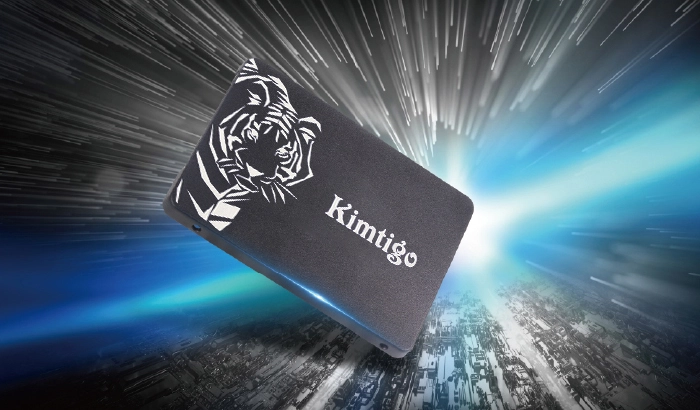
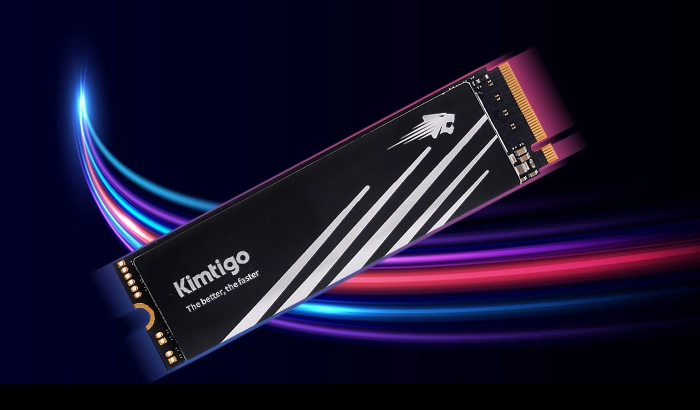
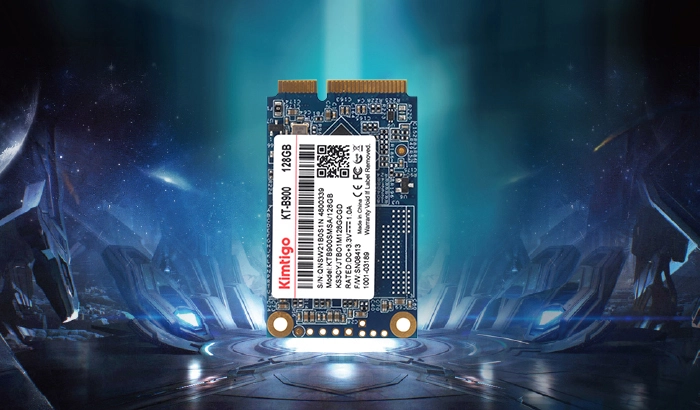
One common memory storage device used in POS systems is the solid-state drive (SSD). POS SSDs offer fast read and write speeds, ensuring quick access to data and efficient performance in high-volume transaction environments. POS SSDs are also more durable and reliable than traditional hard disk drives (HDDs) due to the absence of moving parts, which reduces the risk of mechanical failures.
Another memory storage option for POS systems is the secure digital (SD) card, specifically designed for embedded and industrial applications. SD cards offer reliable data storage, fast data transfer rates, and high compatibility with various POS devices. They are compact, durable, and can be easily swapped or replaced when necessary.
In some cases, network-attached storage (NAS) systems are utilized in POS setups. NAS devices provide centralized storage for multiple POS terminals, allowing for the seamless sharing and retrieval of data across the network. This enables efficient management of inventory, sales data, and customer information.
Additionally, cloud-based storage solutions are gaining popularity in the POS industry. With cloud storage, data is securely stored and accessed remotely, offering scalability, data redundancy, and real-time synchronization across multiple locations.
POS memory storage devices are engineered to handle the specific demands of retail and hospitality environments, providing reliable and efficient storage solutions for transaction data, sales reports, inventory management, and more.
 Maximizing Efficiency: How PCIe Gen3x4 SSDs Transform Your PC ExperienceSeptember 15, 2023In the realm of storage solutions, PCIe Gen3x4 SSDs have gained a reputation for delivering lightning-fast speeds and superior performance. But their impact extends beyond just raw speed; they have th...view
 The Versatile 2280 Solid State Drive: Ideal For Laptops And DesktopsMarch 15, 2024When it comes to upgrading the storage in your laptop or desktop computer, the choice of a Solid State Drive (SSD) is often a wise move. Among the various SSD form factors available, the 2280 SSD has ...view
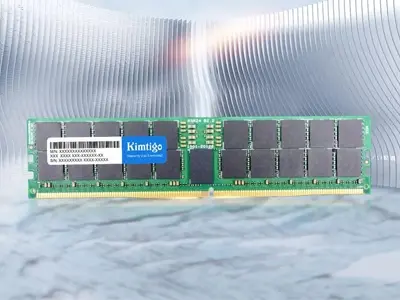 Kimtigo Won the Gold Medal in the 2023 Storage Ranking ListDecember 11, 2023On November 29, the 2023 China Data and Storage Summit with the theme of "Digital Innovation and AI Future" was held in Beijing. This summit carried out in-depth exchanges and discussions on...view
 Automotive SSDs: Powering the Future of Connected CarsSeptember 15, 2023As automotive technology continues to advance, cars are becoming more than just vehicles; they are evolving into sophisticated computers on wheels. To support the growing demands of connected cars, au...view1TB PCIe NVMe SSD: The Ultimate Solution For Lightning-Fast StorageMarch 15, 2024In the world of data storage, speed and performance are paramount. Whether you're a gamer, a creative professional, or simply a PC enthusiast, the need for rapid data access and storage is universal. ...view
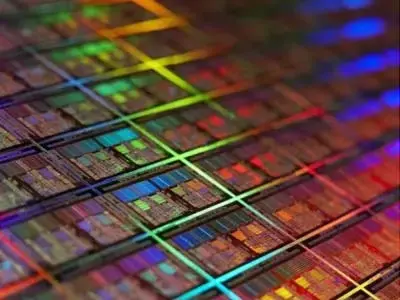 Montage DDR4 Full Buffer Architecture Incorporated into International StandardsMarch 22, 2023We all know that in the storage field, the domestic production rate of DRAM memory and NAND flash memory is basically 0. The technology and production capacity are mainly in the hands of Samsung, SK H...view