EN
EN  es
es  ru
ru 
The industrial technology landscape is on the brink of a pivotal shift. By 2026, global safety and durability standards—including the EU’s Cyber Resilience Act, ISO 26262, and IEC 60601-1—will tighten their grip on hardware consistency. For embedded systems engineers, procurement managers, and CTOs, one misstep—like using consumer-grade SSDs—can derail certifications.
A critical issue looms with "Silent Changes": the practice of manufacturers swapping essential SSD components like controllers or NAND flash without altering the product model number. This post explores why industrial SSD drives, equipped with Fixed BOMs, are non-negotiable for reliability and regulatory compliance.
Picture this: You invest months—and millions—validating your industrial system with a specific SSD, only to find six months later that the internals have inexplicably changed. Your SSD, which initially presented stellar performance, now suffers a 20% drop in IOPS (Input/Output Operations Per Second) or a 30% reduction in lifespan.
For industries like medical devices, railway systems, and energy grids, such performance drops aren't just inconvenient—they're catastrophic. And with every certification becoming stricter, hardware consistency is no longer a luxury; it's a legal mandate.
In the realm of industrial 2.5 SSDs, a Fixed BOM ensures that an SSD’s internal components—including controllers, NAND flash, firmware, and even PCB resistors—stay consistent throughout the product's lifecycle. This predictable consistency forms the foundation for reliable system performance and regulatory compliance.

Industrial-grade component manufacturers adhere to a Product Change Notification (PCN) process, typically providing 3–6 months of notice before introducing any alterations. This notifies customers in advance, enabling time to revalidate products. Without a Fixed BOM or PCN compliance, you could face operational disruptions when your systems suddenly fail compatibility checks.
Key Insight: Consumer SSDs bypass the PCN process entirely.
Silent Changes occur when consumer-grade SSD manufacturers modify internal components—NAND types, controllers, or firmware—midway through production to cut costs. These changes are unannounced, contributing to catastrophic issues in industrial environments.
Component Volatility
Consumer SSDs often swap high-end NAND like TLC (Triple-Level Cell) for cheaper, less durable QLC (Quad-Level Cell) without any warning, significantly reducing endurance and reliability.
Firmware Compatibility Issues
An updated controller or altered firmware in a "newer" batch of the same model can break RAID setups, compromise encryption, or interfere with the functionality of industrial systems like medical devices or railway controls.
Unpredictable Latency Spikes
Silent Changes lead to Long-Tail Latency—occasional performance dips caused by inconsistent NAND or controller behavior. For real-time industrial applications, where precision and timing are critical, this variability can result in system-wide failures.
Certifications such as ISO 26262 (Automotive), IEC 60601-1 (Medical), and EN 50155 (Railway) demand traceable, tamper-free, and unchanging hardware configurations to meet safety and performance regulations. This renders the use of consumer-grade SSDs outdated and unsuitable for these industries.
Industrial certificates now require thorough documentation of every critical hardware component. Consumer-grade drives—vulnerable to Silent Changes—fail to meet this requirement, making certification nearly impossible over the typical 5-10 year lifecycle of industrial products.
While a Fixed BOM eliminates Silent Change risks, industrial SSDs deliver a suite of specialized features that improve durability, reliability, and performance.
Industrial SSDs are built to withstand extreme conditions, operating seamlessly at temperatures ranging from -40°C to 85°C—a critical feature for outdoor or rugged environments.
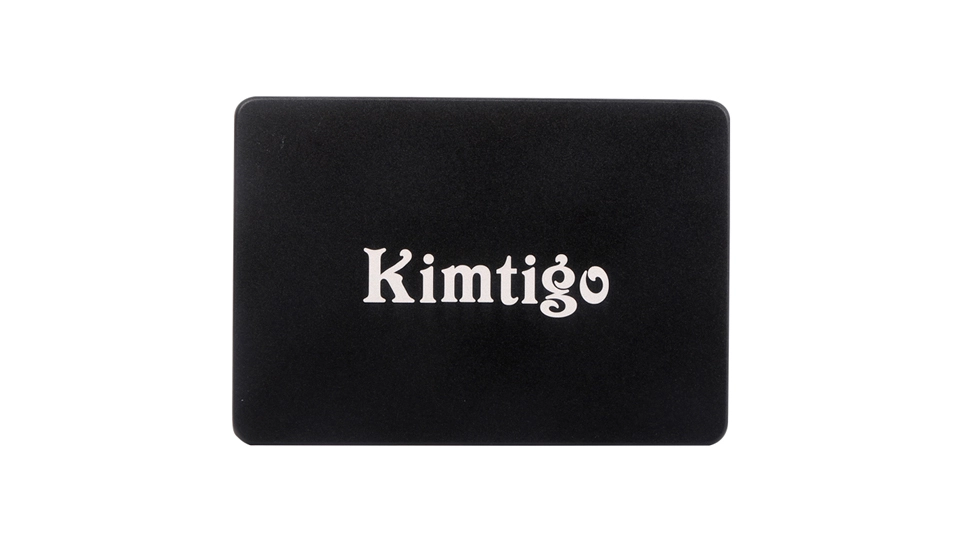
Kimtigo industrial SSDs feature hardware-based PLP, ensuring data integrity by safely committing data to storage during unexpected power outages. Consumer SSDs are rarely equipped with such fail-safes.
Industrial SSDs leverage pseudo-Single Level Cell (pSLC) mode, enabling up to 10x greater endurance than conventional consumer TLC drives. This makes them ideal for write-intensive applications, such as automation or data-log storage systems.
For smarter procurement, always verify the following SSD characteristics when selecting components for industrial use:
5+ Year Product Availability Guarantee
Unlike consumer SSDs, industrial drives remain in production longer to match the lifecycle of enterprise systems.
Standardized Firmware
Look for firmware that is never updated without prior notice through a formal PCN process.
Rigorous Environmental Testing
Ensure compliance with industrial testing standards for excessive heat, humidity, shock, and vibration.
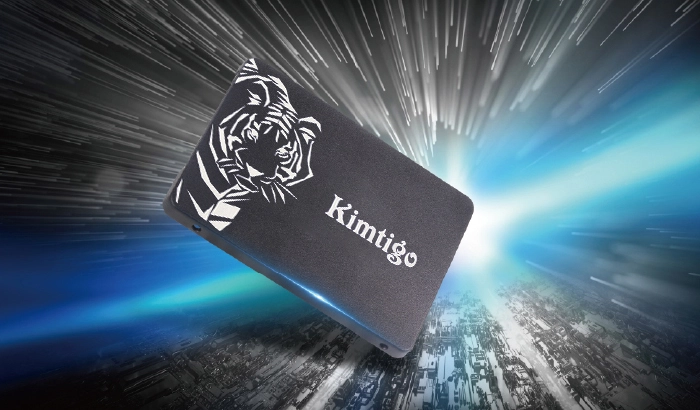
As industry leaders, Kimtigo provides SSD technology that prioritizes trust, reliability, and compliance. All Kimtigo industrial SSD drives are manufactured under strict Fixed BOM policies, with long-term support (LTS) for 5–10+ years and beyond.
100% Fixed BOM transparency.
Superior endurance with pSLC configurations.
Wide-temperature (-40°C to 85°C) and PLP robustness.
Support that ensures seamless certification for industries like automotive, aerospace, and medical.
In an industrial world governed by precision and reliability, Silent Changes in consumer-grade SSDs create unacceptable risks. By choosing an industrial 2.5 SSD like those from Kimtigo, businesses can ensure not only long-term operational stability but also seamless adherence to 2026's demanding certification standards.
 What's the the Key Differences Between 2.5November 18, 2024In the world of storage, solid-state drives (SSDs) have revolutionized the way we access and store data. Two popular formats dominate the market: the traditional 2.5" SSD and the newer M.2 NVMe d...view
 Chairman of Kimtigo Attended the Pingshan Entrepreneur Day EventMarch 22, 2023On November 8, 2022, the third of 2022 'Pingshan Entrepreneur Day' was held at the Shenzhen Pingshan Swallow Lake International Convention and Exhibition Center. Chairman Li Chuangfeng of Ki...view
 POS SSDs: Transforming Retail Checkout SystemsOctober 16, 2023In the fast-paced world of retail, checkout efficiency is paramount. Long lines and slow transactions can deter customers and lead to lost sales opportunities. To keep up with the demands of modern co...view
 Kimtigo Overclocked DDR5 SODIMM Memory Makes a Strong Debut, Can be Stably Overclocked to 6400MT/sNovember 8, 2023Kimtigo is constantly pursuing innovation and breakthroughs in the field of storage, and is committed to improving product performance, efficiency and user experience. on September 6, Kimtigo's ne...view
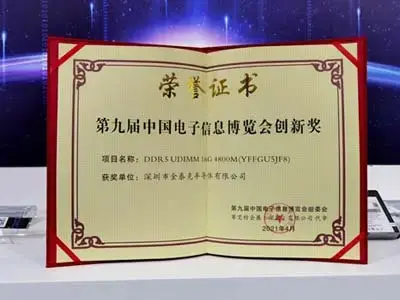 Kimtigo Shines At CITE 2021March 22, 2023The three-day Ninth China Electronic Information Expo (CITE 2021) successfully concluded on April 11, 2021 at the Shenzhen Convention and Exhibition Center. With the theme of "innovation-driven h...view
 Unleash Lightning-Fast Speeds with a 2.5-Inch Solid State Drive: A Game-Changer for Your ComputerAugust 14, 2023In the dynamic world of computing, speed is of the essence. Whether you're a professional seeking optimal performance for your tasks or a gaming enthusiast craving seamless gameplay, a 2.5-inch So...view